Wet Insulation After a Water Leak: Remove or Dry?
How to think about wet fiberglass, cellulose, and foam insulation after a plumbing, roof, or basement water loss.
Published and updated August 25, 2026 · General education for Indianapolis-area property owners
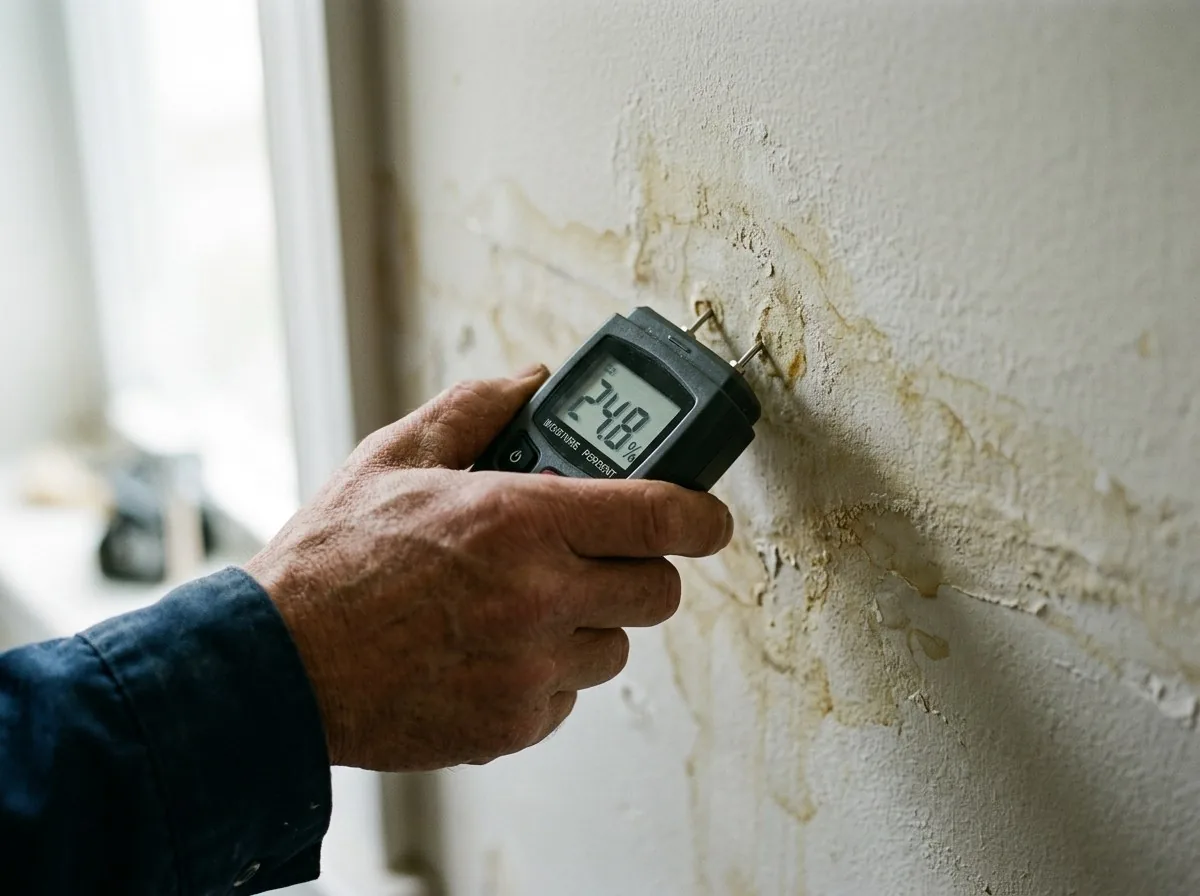
Wet insulation should not be judged by appearance alone. The type of insulation, water source, exposure time, location, and ability to dry fully determine whether it can remain or should be removed.
Why this problem is easy to underestimate
Insulation is a hidden material, which makes it easy to leave behind after the surface looks dry. It can hold moisture against wood, drywall, roof sheathing, or floor systems.
Contamination changes the decision. Insulation affected by sewage or floodwater is not handled like insulation touched by a clean supply line.
What to check first
- Whether the water came from a clean line, roof, groundwater, or sewage.
- Whether insulation is compressed, saturated, contaminated, or inaccessible.
- Whether the cavity can be opened and monitored safely.
What to do next
Stop the source and photograph the wet area before opening walls or ceilings.
Do not disturb suspected contaminated insulation without protection and a plan.
Tell the responder what type of insulation is present if known.
Ask how cavity drying and replacement decisions will be documented.
When a professional assessment makes sense
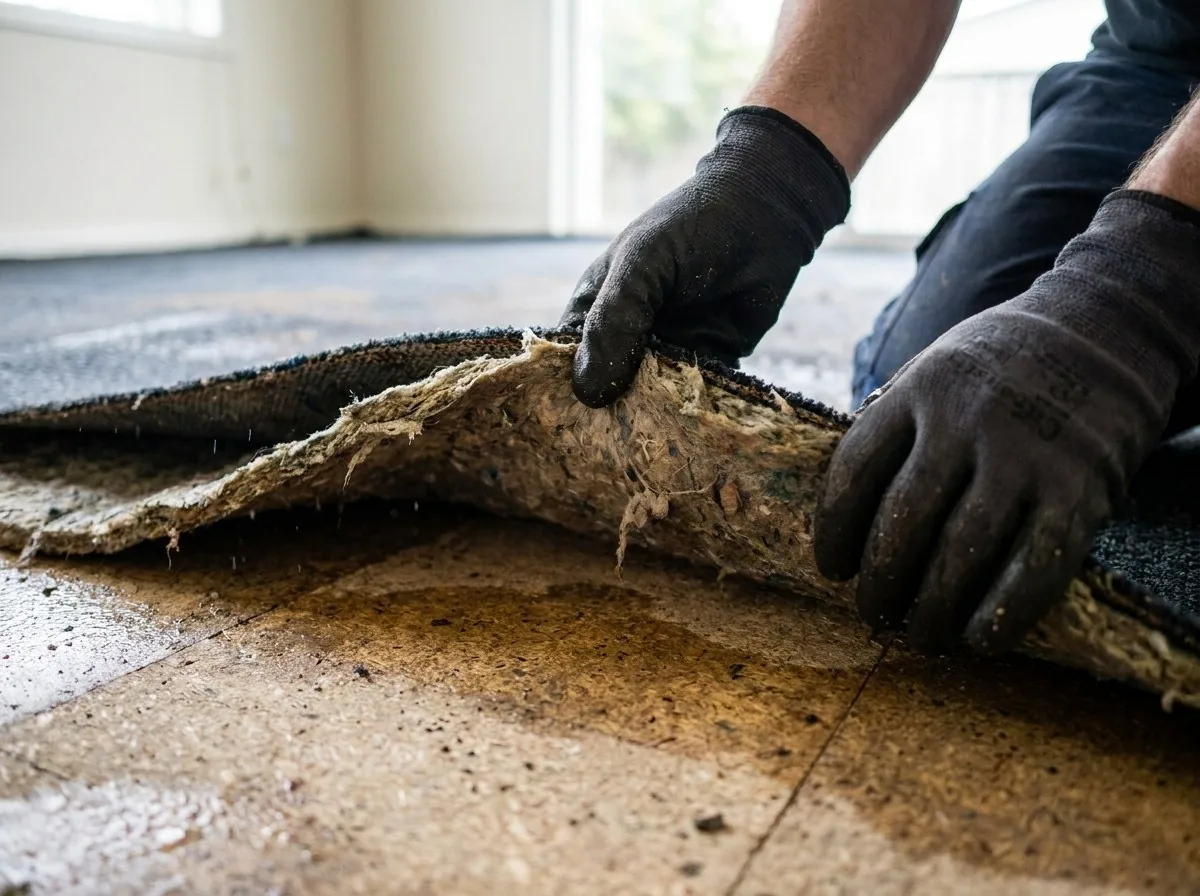
A professional assessment is useful when insulation is in a closed wall, attic, crawl space, or floor cavity. The goal is to know whether the material can dry completely without trapping moisture or spreading contamination.
Indianapolis-area context
Crawl spaces and attic assemblies around Indianapolis can have seasonal humidity swings. A dry surface on the living side does not prove the insulation or sheathing behind it is dry.
Frequently Asked Questions
No. Clean-water exposure and full, safe drying may allow some fiberglass to remain, but saturated or contaminated material may need removal.
It often loses performance and can hold moisture when saturated, so a professional should assess whether removal is more appropriate.
Not without considering electrical, plumbing, structural, and contamination risks. Get the cavity assessed first.
Independent guidance
This page is general education, not insurance, legal, electrical, or medical advice. For safety and moisture-control background, see EPA mold and moisture guidance, EPA flood cleanup guidance, and CDC floodwater safety guidance.
Water is already affecting the property?
Use the emergency guide or call so the situation can be assessed before a small loss becomes a larger repair.