When to Remove Wet Drywall After Water Damage
How water source, exposure time, swelling, insulation, and cavity access affect a wet drywall removal decision.
Published and updated August 25, 2026 · General education for Indianapolis-area property owners
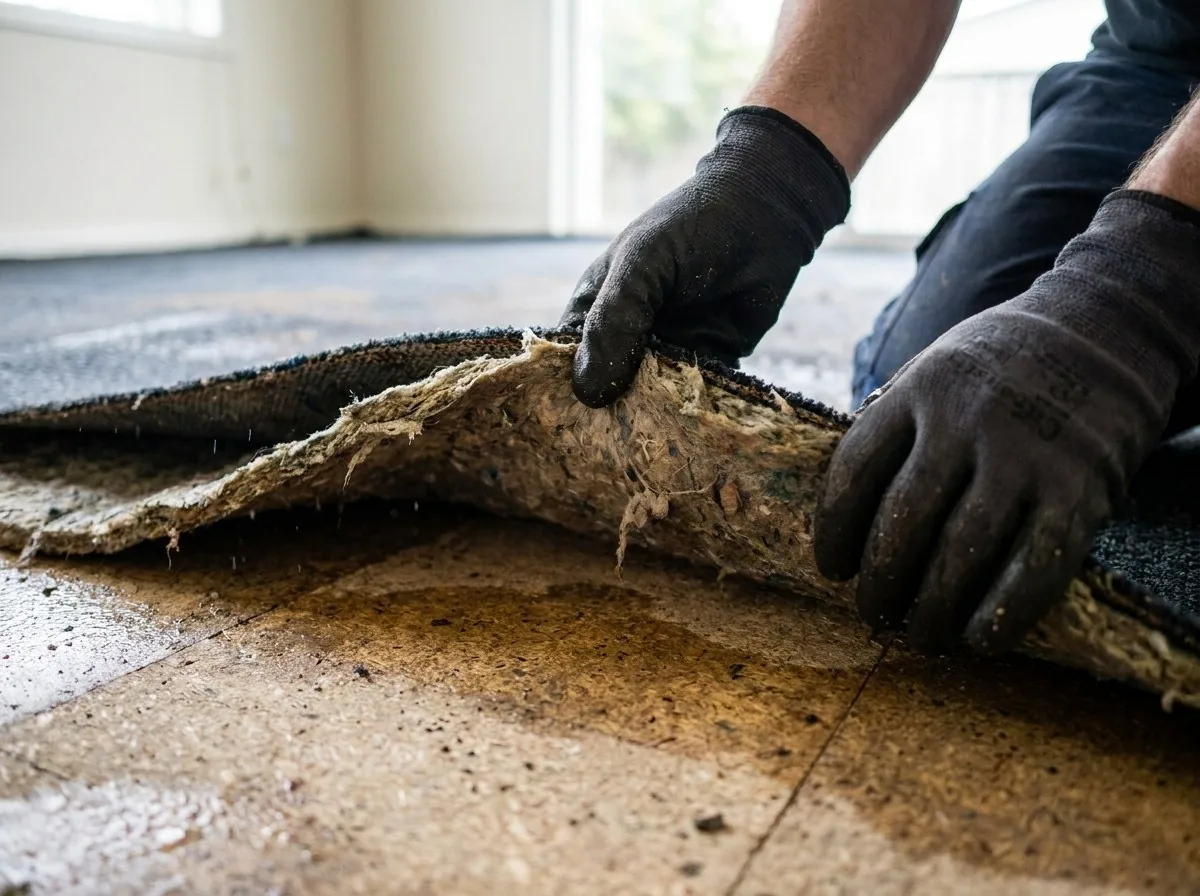
Wet drywall is not automatically a tear-out, but swollen, contaminated, or slow-to-dry material may need removal. The right decision follows a source and moisture assessment.
Why this problem is easy to underestimate
Drywall can hold water at seams, fasteners, paper faces, and inside the wall cavity. It may look acceptable while insulation or framing behind it remains wet.
Removal should be purposeful: to remove damaged material, expose a cavity for drying, or address contamination—not simply because a wall was near water.
What to check first
- Swelling, crumbling, staining, or delamination.
- Whether water was clean, gray, sewage, or floodwater.
- Whether insulation, electrical, plumbing, or framing behind the drywall is wet.
What to do next
Photograph the wall before opening it.
Keep clear of outlets, switches, and panels that may be wet.
Do not seal, repaint, or install new drywall until moisture is verified.
Use a qualified professional for contaminated water or hidden cavity work.
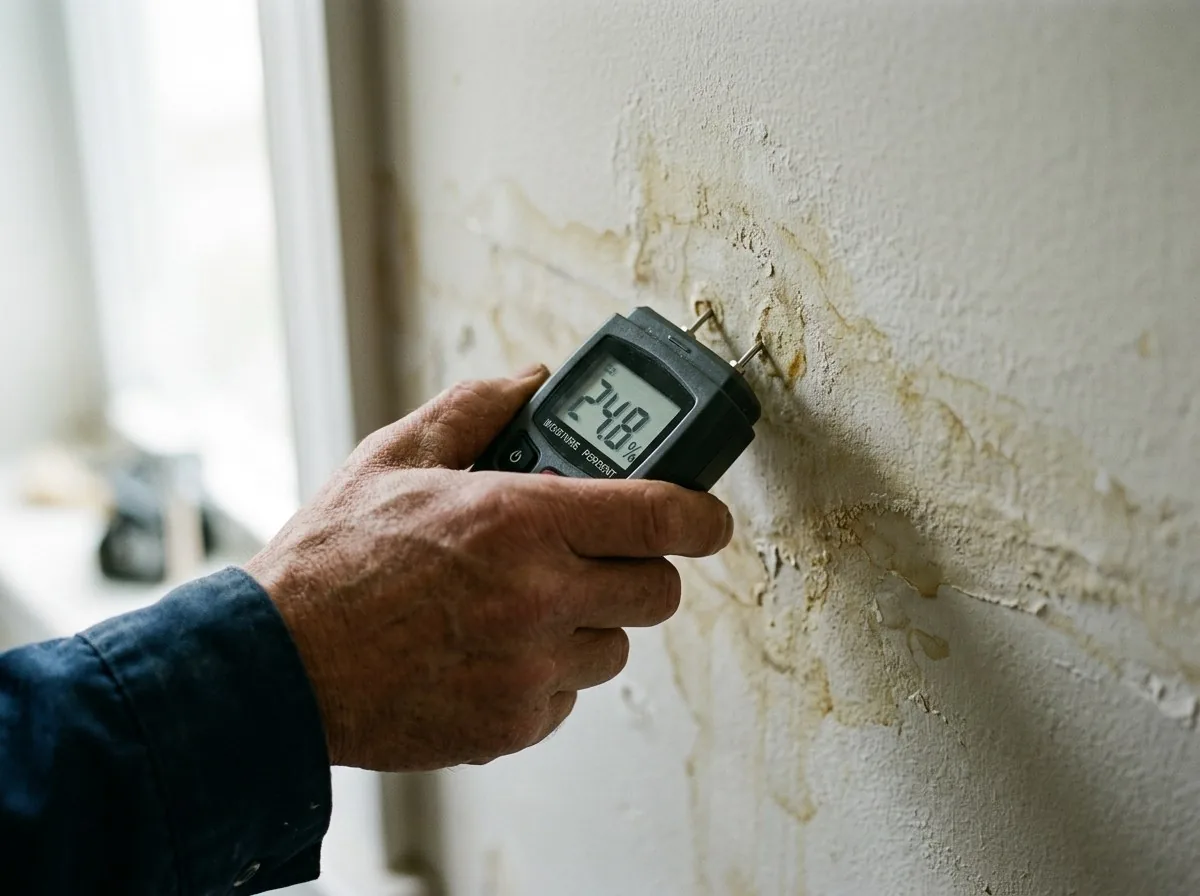
When a professional assessment makes sense
A professional assessment is most useful when the wall is soft, the water was present for a long time, the cavity is closed, or the damage is near electrical and plumbing systems.
Indianapolis-area context
In finished basements and older Indianapolis homes, drywall may sit over masonry, framing, or multiple layers. That assembly affects both drying and repair scope.
Frequently Asked Questions
No. The source, water type, material condition, and ability to dry the assembly determine the decision.
As soon as practical, especially when insulation or a closed cavity may be wet.
Only after the source is fixed, the material is dry, and the surface is suitable for repair.
Independent guidance
This page is general education, not insurance, legal, electrical, or medical advice. For safety and moisture-control background, see EPA mold and moisture guidance, EPA flood cleanup guidance, and CDC floodwater safety guidance.
Water is already affecting the property?
Use the emergency guide or call so the situation can be assessed before a small loss becomes a larger repair.