Call a plumber for a failed pipe, valve, or drain. Call a water restoration provider when water has reached walls, floors, ceilings, or belongings. You may need both. If you rent, notify emergency maintenance first. Keep clear of wet electrical equipment and tell each provider whether water is still entering.
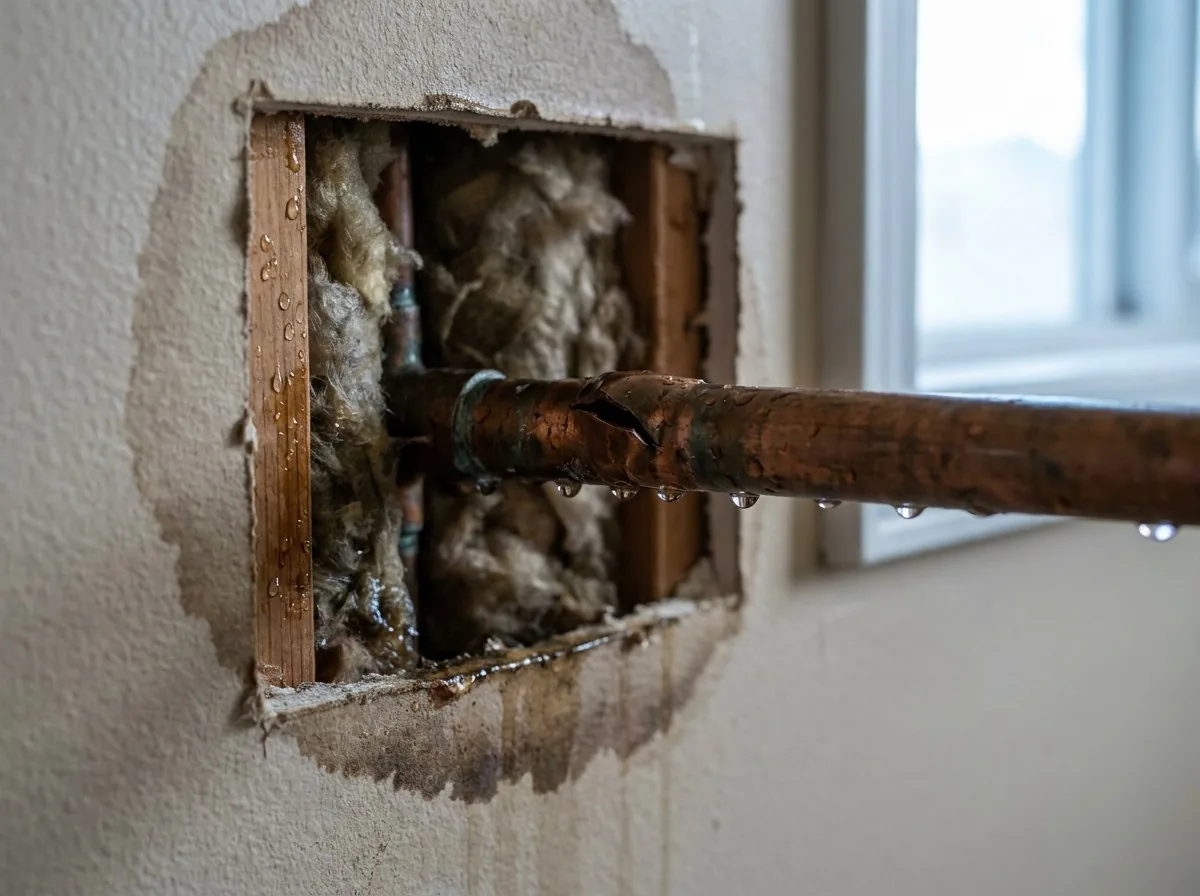
The leak repair and the drying job answer different questions
A pipe can be repaired while the floor beneath it remains wet. Before hanging up with the plumber, ask what was repaired, whether the supply is back on, and whether any water remains inside the surrounding construction. Then tell the restoration provider which rooms were affected and where water appeared. One appointment does not automatically include the other scope.
Service names vary. A company may offer plumbing, extraction, drying, and rebuilding together, or arrange separate trades. Ask what its own crew will do, what is subcontracted, and who you should call if the leak resumes. The useful distinction is the work included in the agreement.
| What you can observe safely | Who to contact | What to clarify |
|---|---|---|
| Water is escaping from a pipe or valve | Plumber; management if rented | Source repair and safe water shutoff |
| The leak stopped, but flooring or walls are wet | Restoration provider | Moisture assessment and drying scope |
| Water appears after rain at the roof | Roofing provider and restoration provider | Weatherproofing plus interior moisture |
| Sewage is coming through a drain | Plumber, wastewater utility where relevant, and qualified cleanup provider | Cause investigation plus contamination response |
| Water is near an outlet or panel | Qualified electrical help; emergency services for immediate danger | Electrical safety before cleanup equipment is used |
When should you arrange restoration as well as plumbing?
Arrange a water damage assessment when water entered flooring seams, ran behind cabinets, crossed more than one room, reached a ceiling below, or remained undetected for an unknown period. Describe those observations instead of guessing the size of the loss. A small opening in a pipe does not tell you how much water reached hidden materials.
A spill confined to a hard surface is different from water under a laminate floor. If the source is stopped, the area is safe, and you can account for where the water went, ask whether an on-site assessment is needed. Do not cut into a wall or energize a wet appliance to find out. See the electrical safety guide before anyone plugs in drying equipment.
EPA recommends drying water-damaged areas and items within 24–48 hours to help prevent mold. That is a reason to arrange prompt assessment, not a promise that every wall or floor will be dry in two days. Read EPA’s moisture guidance.
A call checklist that avoids an incomplete handoff
- State the source status. Say whether water is active, stopped, or unknown. Mention the time you noticed it.
- Describe the affected construction. Name the rooms, flooring, cabinets, and any downstairs ceiling. Include the unit number for an apartment.
- Ask about the first visit. Will it include source repair, extraction, moisture inspection, or only an estimate?
- Confirm availability and charges. Ask about callout charges and who approves additional work. Do not assume an advertised emergency service means a crew has been dispatched.
- Get the next contact. Ask who will provide the repair record and who will monitor drying.
If you rent an Indianapolis apartment
Use your building’s emergency maintenance process and keep the ticket or message. Management may need access to another unit, a shared shutoff, or a common mechanical room. Do not arrange building demolition on your own authority. Ask management who is approving work and what you should do with affected belongings.
If you own or manage the property, coordinate the plumber’s repair notes with the restoration assessment. If you rent, keep your own reporting record and contact your insurer about your belongings. Our apartment water damage page explains the handoff without assuming who is at fault.
What to keep when the source is repaired
Keep a dated invoice identifying the failed component, photos taken from a safe location, the provider’s description of affected materials, and any follow-up drying records. Save the original files. These records help the next trade understand what has already happened; they do not establish insurance coverage by themselves.
For a burst pipe with wet building materials, review burst-pipe cleanup or request a restoration referral. IndyWaterHelp connects requests with local providers; confirm their scope, pricing, and arrival time directly.
Sources and editorial limits
This guide combines the cited guidance with practical questions and record templates. It is not a site inspection, a contractor credential claim, or a determination of coverage or legal responsibility. IndyWaterHelp is an independent information and referral resource.